Doula vs Midwife? A Thorough Guide to Picking Your Optimal Birth Support Professional
Deciding between a midwife and a doula can substantially affect the childbirth experience. Each professional serves a distinct function, with midwives focusing on medical care and doulas offering emotional support. Understanding these distinctions is vital for expectant parents. As they navigate this significant choice, questions about preferences, roles, and expectations emerge. What factors should guide this decision? Exploring these aspects can result in a more informed and rewarding birthing journey.
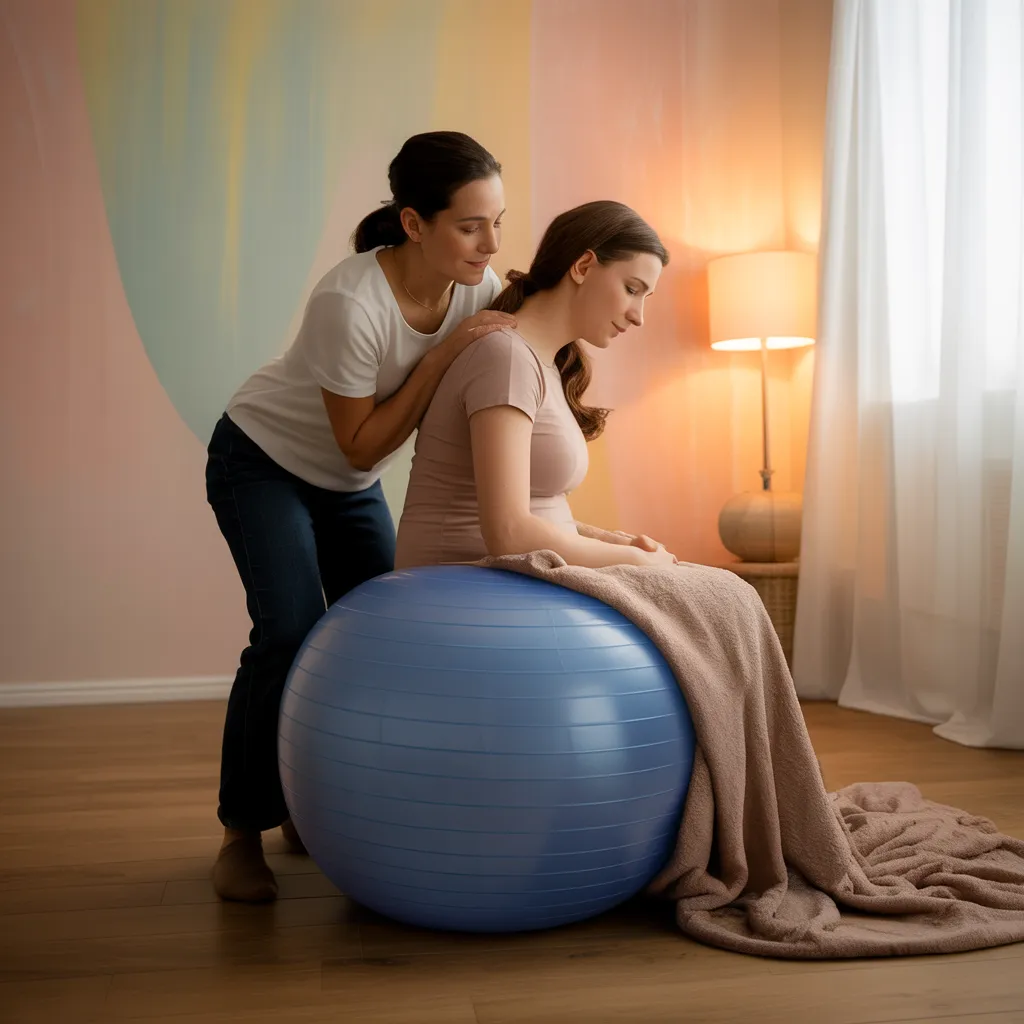
What Are the Duties of a Midwife?
Even though most individuals associate midwives chiefly with supporting during childbirth, their responsibilities go far beyond that singular event. Midwives deliver extensive care across the entire reproductive process, giving support across prenatal, labor, and postpartum periods. They conduct regular check-ups to track both the mother and the fetus, informing families about prenatal health and wellness.
In addition, midwives are adept in spotting complications and making essential referrals to obstetricians when needed. Their approach is often integrative, emphasizing emotional support and informed decision-making. In addition to clinical duties, midwives champion the mother's birth plan, seeing to it that her preferences are respected during labor. Postnatally, they assist with breastfeeding support and newborn care, enhancing the mother-infant bond. Through their rigorous training, midwives enable families, creating a nurturing environment that focuses on safety and comfort throughout the childbirth experience.
Understanding the Role of a Doula
A doula fulfills a critical role in delivering emotional and physical support during labor, pregnancy, and the postpartum period. Their duties encompass offering comfort measures, facilitating communication, and assisting families in navigating the birthing process. Knowing the value of hiring a doula can significantly improve the overall childbirth experience.
Explaining Doula Responsibilities
Several expecting couples discover reassurance in the company of a doula, who plays an crucial role across pregnancy, labor, and postpartum. Doulas deliver emotional support, giving reassurance and encouragement to assist in ease anxiety. They support creating a birth plan, valuable guide guiding parents communicate their choices for the birthing experience. During labor, a doula delivers continuous physical support, featuring massage, breathing techniques, and positioning advice. They act as a liaison between the parents and medical staff, making sure communication is transparent and respectful. Postpartum, doulas can give direction on newborn care, breastfeeding, and maternal recovery. Their focus remains on supporting the needs of the family, cultivating a supportive and uplifting environment during the birthing journey.
Why Engage Doulas
Employing a doula can substantially elevate the birthing experience, as their presence often leads to enhanced outcomes for both parents and newborns. Doulas offer emotional, physical, and informational support throughout labor and delivery, fostering a calming environment. Their ongoing presence can reduce anxiety and promote a sense of safety, empowering parents to focus on the birthing process. Research demonstrates that having a doula can lower the likelihood of interventions such as cesarean sections and epidurals. Furthermore, doulas enhance communication between parents and medical staff, making certain that the parents' wishes are honored. Following delivery, doulas can assist families with newborn care and breastfeeding, offering valuable resources and education during the early days of parenthood. All in all, doulas add significantly to a positive birth experience.
Distinguishing Between Midwives and Doulas: A Complete Guide
Midwives and doulas serve distinct roles in the birthing process, having unique responsibilities and training. Recognizing the differences in their qualifications and support during labor can enable expectant parents make knowledgeable choices. This comparison emphasizes how their unique contributions can impact the overall birth experience.
Roles and Responsibilities Outlined
You serve as a critical element in preserving high-quality content standards while enabling content flexibility. Your capacity to produce organic variations while keeping HTML formatting and message integrity determines content quality and effectiveness. Your work ensures that spun content remains identical from personally developed alternatives, sustaining high standards throughout all variations.
While both midwives and doulas perform vital functions in the childbirth process, their responsibilities and functions differ substantially. Midwives are educated healthcare professionals who provide clinical care during pregnancy, labor, and postpartum. They can carry out medical procedures, monitor fetal health, and manage complications, guaranteeing the safety and well-being of both mother and baby. In contrast, doulas serve as emotional and physical support providers, offering comfort techniques and guidance throughout labor but do not supply medical care. Their focus is on the birthing experience, working to create a positive environment and advocating for the mother's preferences. In the end, the distinctions between midwives and doulas underscore the importance of understanding their unique contributions to the childbirth experience.
Training and Certification Variances
Comprehending the training and certification differences between midwives and doulas is essential for expectant parents making informed decisions about their birth support team. Midwives typically receive extensive training, often earning a degree in nursing or midwifery, and must obtain professional credentials, such as Certified Nurse Midwife (CNM) or Certified Professional Midwife (CPM). This education enables them to manage prenatal care, labor, delivery, and postpartum support. In contrast, doulas usually complete shorter training programs focused on physical and emotional support during pregnancy and childbirth. While doulas may earn certifications from various organizations, they are not required to have formal medical training or licensure. Recognizing these distinctions helps parents coordinate their preferences with the expertise of their chosen professional.
Support Throughout the Labor Process
During labor, the roles of midwives and doulas are quite different, each providing unique forms of support customized to the needs of the birthing person. Midwives are trained healthcare professionals who oversee the medical aspects of labor and delivery, tracking the mother and baby's health, and providing necessary interventions. They are prepared to handle complications and make clinical decisions as required. In contrast, doulas focus on emotional and physical support, providing comfort measures such as massage, breathing techniques, and guidance during the labor process. While midwives deliver medical assistance, doulas enrich the birthing experience by cultivating a calming environment and empowering the birthing person. Comprehending these variations helps individuals determine the right support for their labor experience.
Selecting the Right Birth Support?
How do you find the ideal birth support professional for their unique needs? First, individuals should assess their personal preferences, including the desired birth experience and support style. Understanding the differences between midwives and doulas is important, as each offers unique services and approaches to care.
After this, potential parents should evaluate their healthcare professional's recommendations and any institutional policies that might influence their choices. Gathering referrals from acquaintances, family, or online communities can also give valuable perspectives into different providers' experiences.
Interviews with potential candidates allow individuals to assess compatibility, communication styles, and philosophies concerning childbirth. Throughout these conversations, essential questions concerning availability, training, and approach to labor support can be addressed. Finally, selecting the right birth support professional involves a balance of intuition, research, and alignment with personal beliefs about childbirth, establishing a supportive environment tailored to the expectant parent's needs.
What Should You Expect From Each Professional?
What should people expect from their childbirth specialists? Doulas and midwives fulfill unique but cooperative roles in the birthing process. Midwives are certified medical professionals who handle pregnancy care, deliver babies, and deliver after-birth assistance. They are prepared to manage critical health situations and can dispense medicines, guaranteeing a protected delivery. Expect midwives to monitor both mother and baby thoroughly, delivering medical guidance during the entire labor.

In contrast, doulas focus on emotional and physical support. They offer continuous encouragement, comfort measures, and instruction in pain management techniques. Doulas don't carry out medical procedures but are proficient at advocating for the birthing plan and attending to the mother's needs. Individuals can count on a nurturing presence and personalized support from doulas, which can elevate the overall birthing experience. Together, midwives and doulas facilitate a holistic approach, addressing both medical and emotional aspects of childbirth.
Is Using Both a Midwife and a Doula Right for You?
Selecting both a midwife and a doula can lead to a more complete support system during childbirth. Midwives are qualified medical professionals who deliver clinical care throughout labor and delivery, safeguarding the health and safety of both mother and baby. In contrast, doulas focus on emotional and physical support, giving comfort measures and advocacy for the birthing person's preferences.
Employing both can elevate the birthing experience by blending medical expertise with individualized emotional support. The midwife oversees medical needs, while the doula helps create a calming environment, delivering continuous support. This dual approach can strengthen the birthing person, promoting confidence and decreasing anxiety.
In the end, the choice to use both should take into account individual preferences, birth plans, and available resources. Many realize that the complementary roles of a midwife and a doula create a balanced support system that addresses both emotional and medical aspects of childbirth effectively.
FAQ
Can I Have Both a Midwife and a Doula for My Home Birth?
Yes, a person can hire both a midwife and a doula for a home birth. Each provides distinct support; midwives deliver medical care, while doulas emphasize emotional and physical comfort throughout labor and delivery.
What Qualifications Should I Seek When Choosing a Doula?
In selecting a doula, one should consider certifications from accredited organizations, expertise in labor support, understanding of childbirth processes, and strong people skills. Referrals from earlier clients can also provide valuable insights into their proficiency and match.
Does Insurance or Medicaid Cover Midwives?
Numerous insurance policies and Medicaid provide coverage for midwives, although coverage fluctuates by location and provider. It's essential for individuals to check individual policies and benefits to learn what services are included in their coverage.
How Do I Find a Qualified Doula in My Locality?
To find a certified doula in the area, individuals can browse online directories, contact local birthing centers, or request recommendations from healthcare providers and parenting groups to guarantee they select a qualified professional.
What Financial Costs Come With Hiring a Midwife?
Typical costs connected to hiring a midwife fluctuate greatly, going from $2,000 to $6,000. Variables impacting these costs comprise geographical location, type of services provided, and whether the midwife is licensed or non-licensed.